
Spending time with a doll can bring comfort and companionship. She’s always present, ready to offer warmth when you need it most. Caring for her means regular bathing and gentle drying, but you may notice something afterward. TPE dolls often retain a slightly sticky surface, even after a careful wash, while silicone dolls can develop a texture that feels a bit dry or rough. This doesn’t mean your cleaning routine was insufficient—it simply indicates that her skin needs a light application of powder to restore its smooth, natural feel and keep her pleasant to touch.
Why Is Powder Important for Your Doll?
Both TPE and silicone dolls contain oils that are introduced during the manufacturing process. As time passes, these oils gradually migrate to the surface. When excess oil appears, the skin can feel tacky, attracting dust, lint, and other particles that make your doll look and feel less clean while also adding stress to the material. Conversely, when insufficient oil is produced, the skin may become rough or dry, reducing comfort and realism. Applying powder helps restore a smooth, soft finish, prevents unwanted buildup, and keeps your doll in the best possible condition.
Which Powder Should You Choose?
For doll care, the most widely used options are cornstarch and talcum powder, both of which are commonly found in baby powders. These powders are gentle, effective at reducing stickiness, and help maintain a smooth, natural skin feel.
Cornstarch
Cornstarch is a fine, white, non-toxic powder derived from corn and commonly used in cooking. For doll care, it’s affordable, easy to find, and safe to apply. The drawback is that, being an organic substance, it requires careful storage. If left in warm or damp conditions, leftover cornstarch can clump or even develop mold. To prevent this, keep it in a cool, dry, and well-ventilated place—ideally below 15°C (59°F) with humidity under 70%. Because cornstarch readily absorbs surrounding scents, it’s also best stored away from strong odors.
Talcum Powder
Talcum powder, as the name implies, is produced from finely milled talc. It’s widely used in both cosmetics and industry and is often mixed with cornstarch in baby powders. Unlike cornstarch, talc is inorganic, making it easier to store without concern for clumping or mold. Some online discussions raise concerns about cancer risks, but pure talc itself is not carcinogenic. The danger arises only when talc is contaminated with asbestos, a harmful substance. Using asbestos-containing talc could release fibers that may be inhaled, posing health risks. Thankfully, asbestos is present in only a small number of talc sources globally.
Baby Powder
Baby powder is commonly formulated from a mix of cornstarch and talc, often enhanced with fragrance and sometimes additives like boric acid for extra smoothness. It generally comes in two varieties: standard baby powder and versions designed specifically for infants, which usually feature milder scents and higher purity ingredients. While it tends to cost more than plain cornstarch or talc, baby powder not only restores a silky softness to your doll’s skin but also imparts a gentle fragrance that elevates the overall experience. Many users even mention enjoying its benefits personally in addition to doll care.
How to Powder Your Doll
If your doll’s skin feels tacky after cleaning or turns dry and coarse from reduced oils, it’s important to start with a clean, fully dried surface before using any powder. This precaution helps avoid clumps from forming.
When the skin is ready, you can begin the powdering process. Regardless of whether you’re using cornstarch, talc, or baby powder, the application steps are essentially the same and easy to follow.
No Powdering Tool? No Problem
You don’t need special equipment to keep your doll smooth. A simple solution is to use a clean sock—add a small amount of your preferred powder inside (avoid overfilling). Lightly tap the sock across your doll’s surface to apply the powder evenly. Once done, gently pat away the extra powder with your hand until it blends in.
Helpful tip: Don’t rub with your palm; soft tapping is enough and prevents fine particles from creating tiny scratches on the skin.
Using a Powder Sprayer
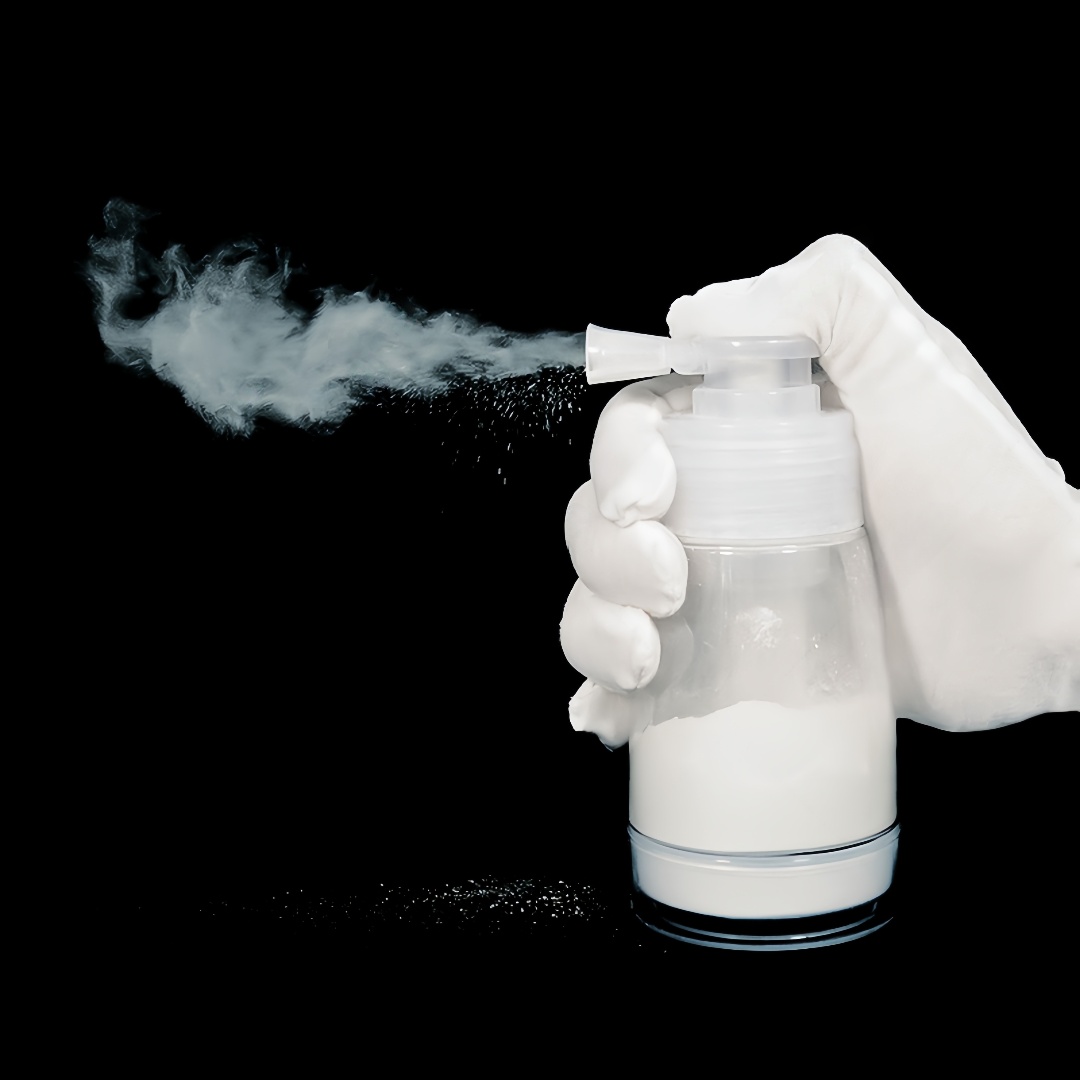
A high-quality powder sprayer can make doll powdering an enjoyable and precise process. It allows you to apply powder exactly where needed without creating a mess. You can control the thickness by adjusting the distance—closer spraying produces a denser layer, while spraying from farther away gives a lighter finish. Once you’ve mastered the technique, hand-patting off excess powder may no longer be necessary. Using the sprayer can feel like painting a work of art on your doll. For a clear demonstration, Dulmacher’s detailed review of the Coeros Pump Powder Sprayer provides step-by-step guidance for anyone looking to master this tool.
Using a Brush or Puff
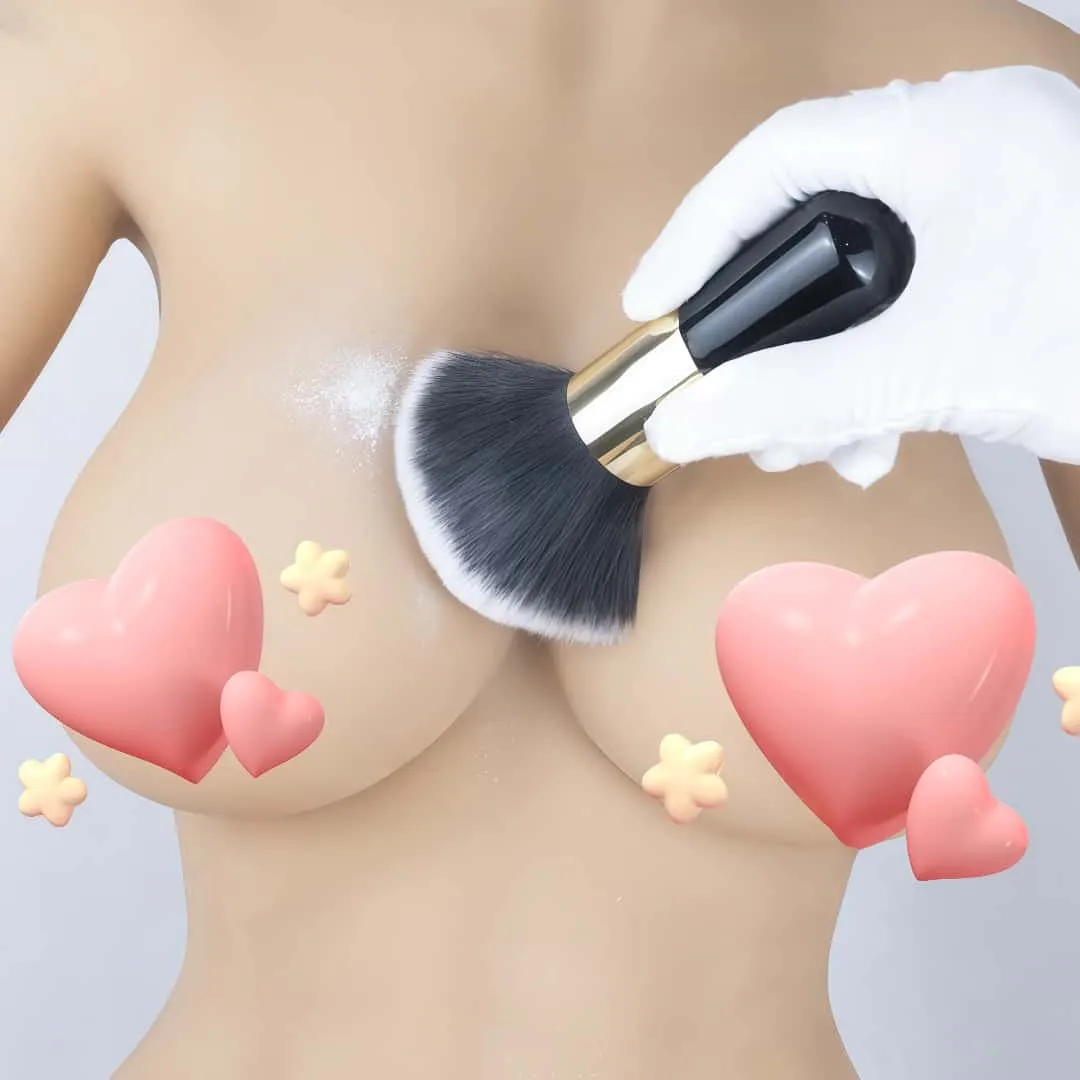
Powdering your doll is simple with a brush or puff. Begin by lightly sprinkling powder by hand, or use a sock or powder sprayer as described earlier. Then, take a makeup brush and gently spread the powder, starting from areas with the most coverage and brushing outward until the powder is fully blended and invisible. This method ensures an even, natural finish while keeping the doll’s skin soft and smooth.
Tips and Precautions
Regardless of the powdering method, avoid getting powder in your eyes, ears, or mouth.
When using cornstarch, store any leftover powder carefully to prevent clumping, spoilage, or attracting insects.
Pro tip: To give your doll a pleasant scent, mix a small amount of aloe or vitamin E powder into the cornstarch. It’s safe for both you and your doll, and you can adjust the amount to create a customized fragrance—turn yourself into your doll’s personal perfumer!
Conclusion
Whether your doll is TPE or silicone, natural oils will eventually make her skin feel sticky. Applying powder helps maintain a smooth, soft surface while minimizing dust and lint buildup.
When choosing talcum or baby powders, ensure they are asbestos-free to stay safe. For cornstarch, always store leftovers in a cool, dry, well-ventilated area to prevent clumping or spoilage.
There are multiple ways to powder your doll—while special tools aren’t necessary, using the right equipment makes the process easier, more precise, and enjoyable.
Like an artist perfecting a masterpiece, careful doll owners can give their dolls irresistibly silky skin. Treat your doll with care and let powder enhance her beauty.